
Local Graffiti Sparks Controversy | Skatepark Art or Vandalism?
Edited By
Sofia Wang
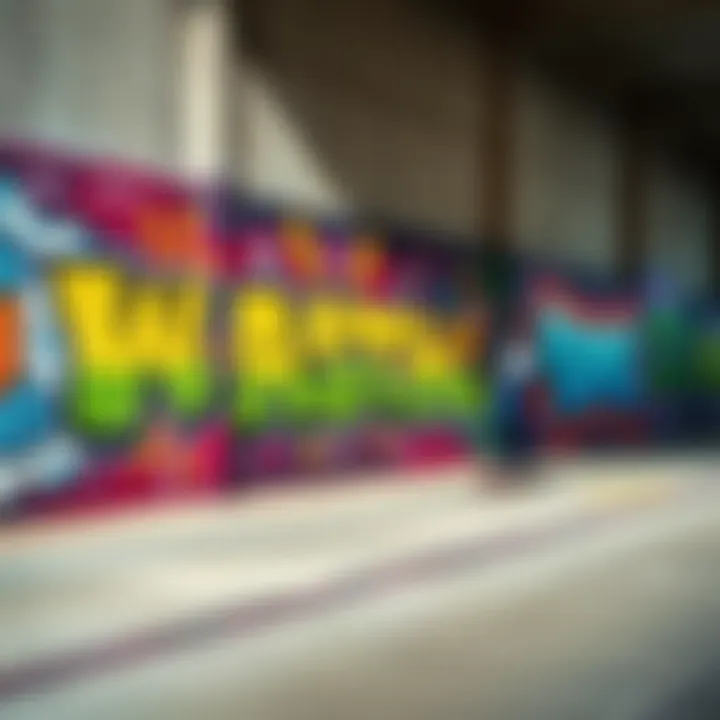
A recent surge in local graffiti has captured the attention of skateboarders and art enthusiasts in Shaw Millennium Park, Calgary. This artwork features a design resembling a "leaper," a character from a popular video game, igniting debates about its artistic value versus its impact on community spaces.
Graffiti Gains Mixed Reactions
The artwork, which features a silhouette that some claim looks like a jumping video game character, has drawn various opinions. "That’s so cool. I honestly love graffiti," noted one commenter. Others aren’t so pleased, with discussions spilling over into local forums.
Commenters have pointed out that the piece is located near a prominent area in the park, with one saying, "Right next to a Raider's." This context amplifies the conversation, raising questions about how urban art impacts public spaces.
"Yeah that’s 100% a leaper silhouette once you see it, can’t unsee it," noted a local skater, emphasizing how quickly one can identify the character from the game.
Themes of Discussion
Observations from various boards highlight three main themes:
Artistic Expression vs. Vandalism: Many users appreciate the creativity, viewing it as an artistic addition to the park.
Gamers Recognizing Cultural References: The familiarity with the leaper character connects the gaming community to local street art.
Public Spaces and Community Impact: There are concerns over how such art affects local perceptions and maintenance of the park.
Some say, "This is really awesome. I would hang a picture of that on my wall," showing a blend of admiration and attachment to the artwork.
Sentiments are Mixed
While the general tone leans towards appreciation, there are dissenting voices wary of graffiti's implications on public spaces. Simply put, not everyone shares the same enthusiasm.
Key Insights:
△ The artwork has sparked a debate on community identity.
▽ Responses range from admiration to concerns about public space maintenance.
※ "That is really awesome. I would hang a picture of that on my wall," reflects the sentiment of many within the art community.
Interestingly, as the skatepark comes alive with discussions and critiques, the question remains: Is this graffiti a true form of artistic expression or merely a sign of vandalism?
As the conversation evolves, local authorities will likely look into balancing public art and maintaining order in beloved community spaces.
What Lies Ahead for Local Graffiti?
As discussions about the graffiti at Shaw Millennium Park continue, there’s a strong chance that local authorities will take note of the divided opinions and initiate a dialogue surrounding urban art. Experts estimate around a 60% probability that they may explore regulations that balance artistic expression and maintenance of public spaces. This could lead to organized community art programs or scheduled critiques of street art, establishing guidelines for future expressions. Such initiatives would not only enhance public perception but might also unify the community, fostering a sense of ownership over the art in their park.
Drawing Parallels: The Decemberists of the Art World
Historically, public spaces have faced similar challenges, much like the struggles faced by artistic movements in the 1980s; think about how street art emerged in the grimy corners of urban environments, only to evolve into recognized art forms in galleries. Just as the Decemberists fought against conventional boundaries in music, today's graffiti artists challenge the status quo of public art in distinct ways. By drawing a parallel between the cultural acceptance of their lyrics and our current debate on graffiti, we see a vibrant tapestry of people bonding over art that both reflects and builds community identity.