
Year of the Horse 2026 | Cunning Counterfeit Sparks Debate
Edited By
Omar Ali
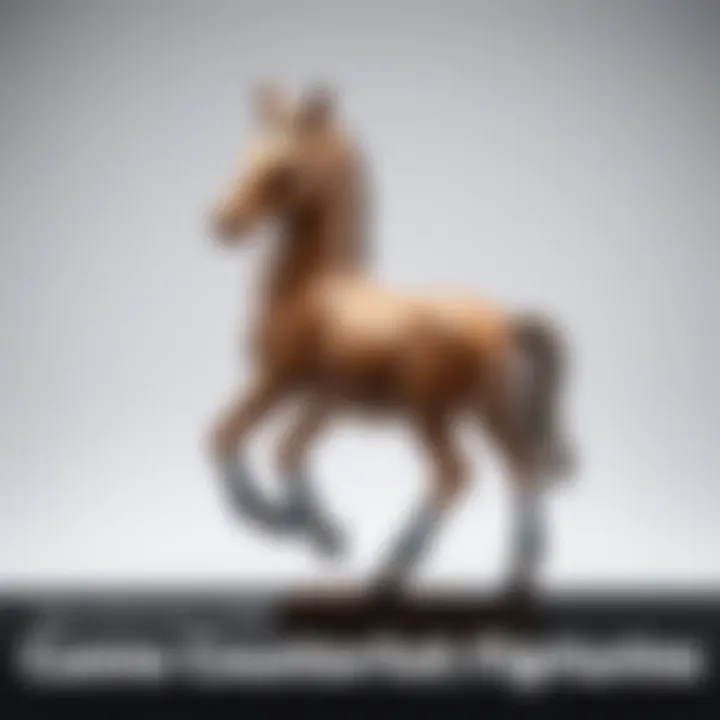
A new 3D-printed Centaur figurine has caught the attention of online communities, with varying opinions on its significance and craftsmanship. Posted on January 30, 2026, this artwork stirs controversy among people, raising questions about creativity and authenticity in modern design.
The Figurine That Captivated Many
Reports indicate the 3D model showcases impressive detail, igniting discussions on platforms like forums and user boards. Commenters have expressed excitement and skepticism alike, stating:
"Looks cool 🔥"
However, there are deeper concerns. One user remarked, "Is 3D printing the sculpture version of AI art?" This critique suggests an ongoing debate on the value of traditional vs. modern creation processes.
The Source of Contention
As the conversation unfolds, three main themes emerge:
Authenticity vs. Artificiality: Comments highlight whether the figurine can be seen as real art or merely a reproduction.
Craftsmanship and Skill: Questions arise about the skill involved in the 3D modeling process. One commenter asked, "May I ask how you did this my dude? The 3D model with the skin."
Cultural Timing: With 2026 marking the Year of the Horse, users ponder the timing of this release, blending cultural significance with artistic expression.
Sentiment and Reactions
Overall, the sentiments express a mix of curiosity and skepticism. Many applaud the artwork's aesthetics, while others challenge its legitimacy.
Key Insights on the 3D Centaur Figurine
✅ The design has sparked discussions about 3D printing's role in art.
💬 "May I ask how you did this, my dude?" - Curious commenter.
🚨 Controversy brewing over the line between art and reproduction.
While many celebrate the creativity involved, the ongoing debate raises an intriguing question: Is modern art losing its essence in the age of technology? As this conversation evolves, the impact of such creations on the future of artistic expression will be closely watched.
What Lies Ahead for 3D Artistry
As the debate around the 3D-printed Centaur figurine continues, there’s a strong chance that 3D printing will increasingly become a central focus in the art world. Experts estimate that within the next few years, around 40% of new art pieces may be created using this technology. This could lead to a broader acceptance of 3D-printed works as a legitimate form of artistic expression. Traditional artists might start incorporating these methods alongside classical techniques, blending both worlds to innovate and engage audiences in new ways. On the flip side, we may also see a backlash, with more calls for the preservation of traditional craftsmanship, leading to a possible divide in the art community.
A Historical Echo
Interestingly, the current situation can be compared to the introduction of photography in the 19th century. Initially met with skepticism, many traditional artists viewed photography as a mechanical imitation that threatened the essence of art. Over time, however, it carved out its own space as a respected medium leading to movements like Pictorialism. Just as photographers found their way to express personal visions through new techniques, today’s artists embracing 3D printing could very well transform how creativity is perceived and valued in the digital age.