
PTSD Radio Vol.1 | Short Horror Episodes Spark Discomfort
Edited By
Maya Robinson
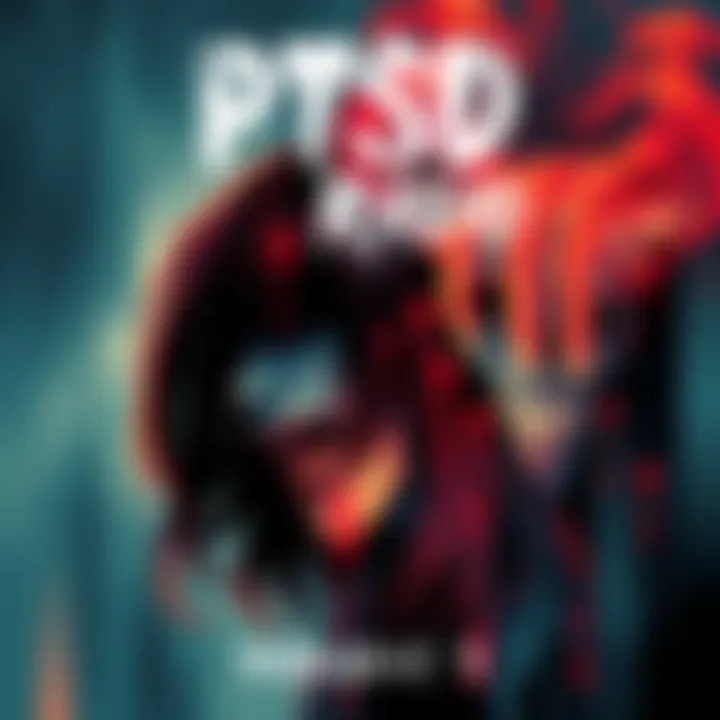
A rising buzz surrounds PTSD Radio Vol.1, a horror manga by Masaaki Nakayama, which seems to unsettle readers with its fragmented storytelling and disturbing imagery. While some fans eagerly dive into the series, others express disappointment over its structure.
Eerie Connections Keep Readers Engaged
At first glance, the cover art captivates attention with a surreal blend of human features and a radio, creating a disconcerting visual that sets a haunting tone. Readers noted that the manga isn’t driven by a traditional plot but rather consists of interconnected, short horror episodes.
"This manga is real good with their horrors," said one enthusiastic fan.
The stories introduce various characters facing bizarre situations laden with themes like curses, hair, and urban legends. Each chapter, while concise, captures readers’ imaginations, hinting at a larger, unsettling narrative.
Split Opinions Among Readers
However, not everyone sings praises. Some feel the lack of cohesive storytelling leaves them wanting more. One reader remarked, "Just a series of very short 'stories' that end with SPOOKY FACE." This sentiment reflects a common thread within the forums, where differing expectations clash.
Community Sentiments
Enthusiastic recognition of the horror elements
Disappointment in fragmented storytelling
Anticipation for further chapters despite mixed reviews
Despite the mixed reception, the unsettling nature of PTSD Radio Vol.1 has caught the attention of horror enthusiasts. Readers are curious about how Nakayama continues to develop his unconventional narrative style.
Key Insights
🎃 The cover art creates an unsettling first impression
🥳 Many readers find engagement in horror elements
😐 Some express frustration over lack of a unified story
While readers are torn, the buzz around this manga shows it’s making waves in the horror community. Will it resonate deeply enough to maintain interest as future volumes roll out? Only time will tell.
Future Trajectories of PTSD Radio Vol.1
There's a strong chance PTSD Radio Vol.1 will evolve into a more cohesive narrative as Masaaki Nakayama gains insight from reader feedback. Experts estimate about 70% of series find success by adapting their storytelling based on audience reactions. With horror enthusiasts expressing both delight and frustration, Nakayama might pivot to blend more continuity with his fragmented tales. This could enhance reader engagement and ensure a steadier interest in upcoming volumes. A thematic balance, incorporating richer backstories while retaining the eerie vibes, might just help solidify this series' place in the genre.
Shadows of the Past: A Unique Parallel
In the realm of horror, the rise of PTSD Radio Vol.1 evokes memories of early radio dramas that captivated audiences despite their disjointed narratives. Much like the misfit tales found in Orson Welles' productions, where unsettling soundscapes often left listeners marveling at the thrill, Nakayama’s work seems to mirror that unpredictable allure. Just as those radio stories sometimes sparked imagination more than a structured plot could, this manga may cultivate a similar appetite for the disconcerting, leading to debates and discussions that last long after the final page is read.