
Reimagining Iconic Scenes | Art Commission Blends BioShock and Cinderella
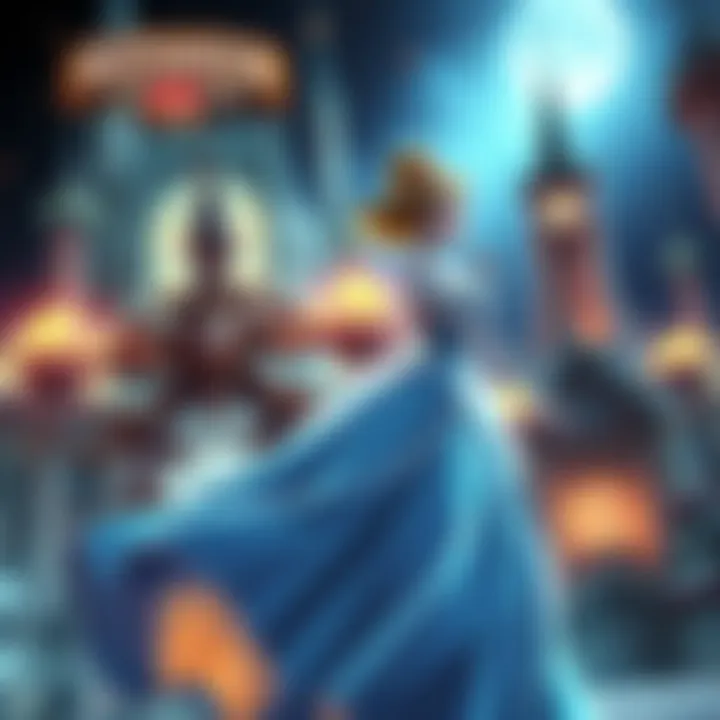
A fresh art commission is stirring conversation across online forums as an artist shares a reimagined scene from BioShock Infinite featuring various versions of Cinderella. The artwork has provoked mixed responses about creativity and copyright.
Artistic Context and Significance
The artwork features Cinderella incarnations from films spanning decades, including 1950's classic, Cinderella, to Shrek the Third (2007) and Into the Woods (2014). Each version stands in for the character Elizabeth from BioShock Infinite, inviting viewers to consider how different narratives intertwine. It raises questions of originality in fan art, as some commenters suggest copyright infringement.
Community Reactions
The comments reflect a spectrum of sentiments:
Some users praise the creative concept, sparking ideas for similar projects with other characters. A comment read, "This is awesome! What if we see a Little Mermaid version?"
Conversely, criticisms emerged over potential copyright violations, with one user stating, "If someone paid you for this, you are a thief."
Others reacted humorously, questioning if the original poster noted their social credibility, hinting at wider perceptions of artists in community spaces.
"Who are they killing now?" - A playful jab, indicating skepticism regarding the series of transformations.
The Mixed Sentiment Patterns
Commenters showcased a blend of positive curiosity and harsh criticism:
Praise for originality: "This is awesome!"
Concerns over legality: "You're committing multiple copyright violations."
Humorous remarks: "Have you noted that people don’t take you seriously in real life?"
Key Insights
🔍 Art's originality questioned amid disputes on copyright.
🎨 Some envision more characters in similar setups, sparking creativity.
😄 Humorous critique suggests wider social perceptions of artists.
This incident not only highlights the ongoing debate surrounding fan art and intellectual property but also showcases how art can challenge traditional narratives in gaming and film genres.
What Lies Ahead for Fan Art and Copyright
As online communities continue discussing the BioShock Infinite and Cinderella mashup, there’s a strong likelihood that artists will push boundaries further in their creative expressions. More crossover art like this could emerge, with varied characters prompting vibrant discussions. Experts estimate around a 60% chance that increased scrutiny on copyright may lead to more artists seeking legal advice before publishing similar works. If forums keep evolving, it might also spur interest from publishers wanting to navigate this fine line of creativity versus legality, influencing how art is created and shared moving forward.
A Flashback to the 90s
In the 1990s, the rise of fan remix culture through early internet platforms serves as an unseen parallel to today's art debates. Much like this Cinderella mashup challenges traditional storytelling, remixers then were turning Pop music into new, electrifying mixes, often without permissions. Just as DJs took existing sounds and morphed them into fresh experiences that ignited movements, today's artists are doing the same in the visual realm, blurring the lines and inviting audiences to reimagine beloved narratives. This creativity sparked controversy then; it fuels discussions now, showcasing a timeless push against conventional expectations.