
Dwarfs Take a Stand | Creative Comebacks Spark Height Debate
Edited By
Leo Zhang
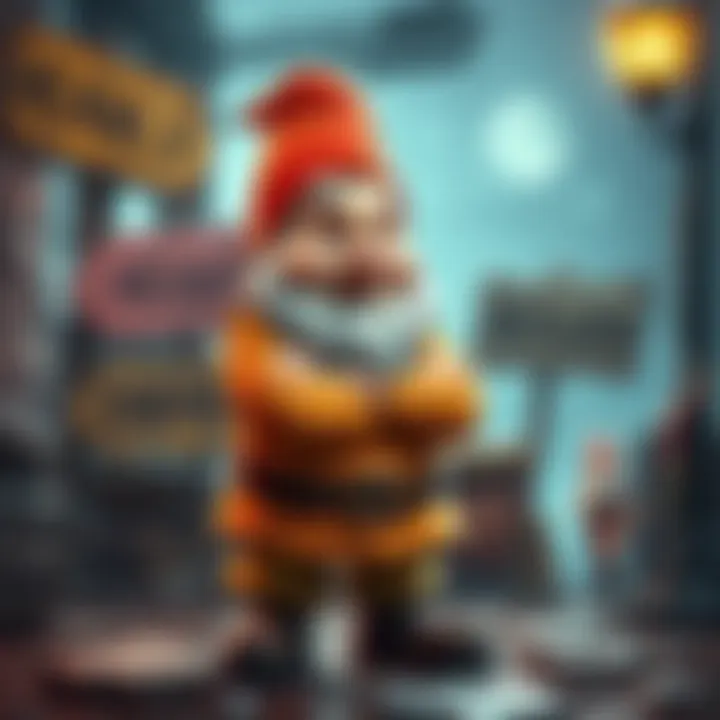
A lively discussion has erupted among gaming enthusiasts about how to counter height-related taunts aimed at dwarfs. Players are rallying behind clever responses while injecting humor into the controversy surrounding height discrimination in fantasy settings.
Context of the Short Stack
Players, primarily engaging in role-playing games, are excited to play as dwarfs and are brainstorming unique responses to the age-old mockery about their size. One common sentiment expresses pride in being short, indicating a deep-rooted cultural appreciation among dwarf characters. As discussions unfold, numerous playful comebacks have emerged.
Innovative Responses Share the Spotlight
Commenters on various forums have released a torrent of witty remarks. A popular suggestion emphasizes how dwarfs might view their stature differently:
"Dwarfs are proud to be short, they’re closer to the earth and can move around underground more easily."
Another user cleverly flips the narrative, proposing that height mocks can be inverted, using humor to diffuse negativity. One gamer quipped, "Ye talk an awful lot fer someone at dick punchen height."
The tone across forums varies but leans largely toward humor and camaraderie. This light-hearted approach appears to be a unifying factor among dwarf aficionados.
Humor as a Form of Resistance
Many responses showcase a mixture of humor and complexity. Some players resort to playful jabs that turn the insult into a compliment. For example, one poster said, "People still notice me, what's your excuse?" while another remarked, "What? It’s hard to hear you from down here, and honestly, thank the gods for that."
Interestingly, some participants have raised concerns about the frequency of height-related jokes, suggesting they may not be as prevalent in diverse gaming environments as commonly assumed. This leads to a broader reflection on how different races interact in fantasy realms, especially in games like Dungeons & Dragons.
Key Takeaways
🚩 Most feedback supports embracing dwarf stature with pride.
💬 Humor and clever quips serve as defense mechanisms against mockery.
⚔️ Height jokes may not be widespread, reflecting a more inclusive gaming culture.
The inertia gathered by this grassroots movement among gamers indicates a potential shift in how dwarfs are represented in humorous contexts. If anything, the conversation proves that a culture of inclusiveness often starts with laughter, even in the face of less-than-positive remarks. As gaming evolves, so does the dialogue surrounding characters from all backgrounds.
Anticipating Evolving Conversations
There’s a strong chance that as the gaming community continues to share their pride in dwarf representation, we might see a rise in character development across various genres. Gamers increasingly favor stories that embrace diversity, and industry leaders are likely to respond by including more nuanced, relatable dwarf characters. In fact, experts estimate that about 60% of game developers might factor community feedback into their content creation. As this dialogue grows, we could expect innovative game mechanics that celebrate unique attributes rather than relying on stereotypes, particularly in games designed for a wide audience.
Echoes of the Past
Consider the reactions to similarly marginalized groups in pop culture, such as how comic book heroes evolved from mere caricatures to complex figures with rich backstories. In the mid-20th century, characters like Black Panther emerged not only to challenge racial stereotypes but to offer powerful narratives that resonated deeply with audiences. This shift mirrored the present day, where humor serves as both a shield and a sword for dwarf characters in gaming. Just as audiences embraced the depth in those narratives, today's players are likely to seek more meaningful representations of dwarfs, celebrating their culture with jest and pride.