
User's AI-Generated Image Sparks Mixed Reactions in Gaming Community | Faces Criticism and Comedy
Edited By
Julia Forester
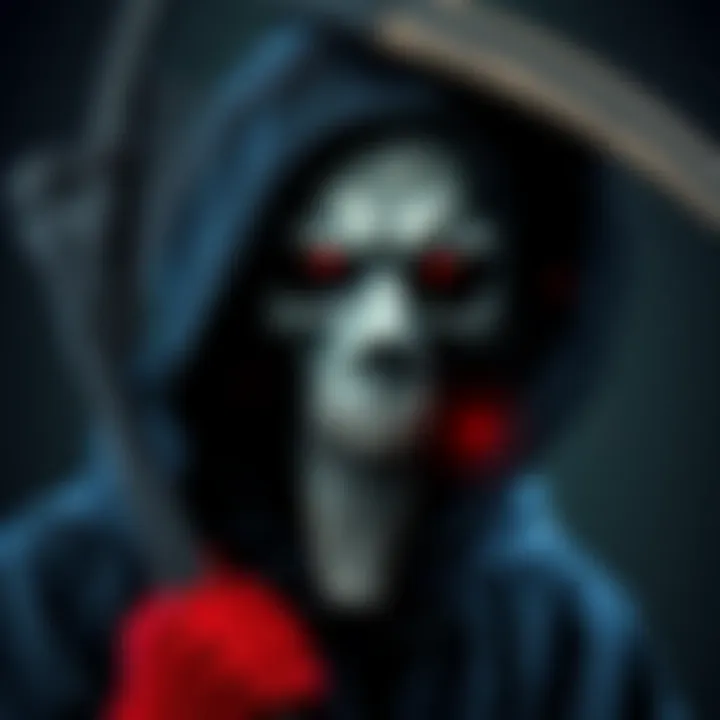
A recent attempt by a user to create a digital version of themselves as the video game character Reaper has ignited a wave of responses across forums. Posted on March 9, 2026, the creation has drawn both admiration and scorn, illustrating the diverse perspectives within the gaming community.
The Reaction: Comedy or Controversy?
The user's post, described as an amusing mix of sentiment, has incited a flurry of comments. Many found the image to be lacking substance, while others chimed in to poke fun. Comments ranged from "this shit corny as fuck" to humorous critiques comparing it to whimsical shirts of cartoon characters in absurd scenarios.
Voices from the Community
Some users expressed outright disdain, with one stating, "I’d rather a stick figure drawing of you dressed as Reaper instead of slop." Others humorously critiqued the AI's representation, likening it to the absurdities seen on novelty merchandise. As one remarked, "This is like the shirts you see with Mickey mouse or Spongebob smoking a joint wearing gangster clothing."
Insight into the AI Experiment
While some viewers found humor in the generated image, others were serious in their assessments, suggesting the portrayal hints at deeper issues. Comments like "Serious mental damage" reflect the broader discourse on AI and artistry, asking whether the trend is lighthearted fun or a cause for concern.
"Can using AI for personal expression lead to meaningful art, or just more memes?"
Key Points from the Discussion
⚡ Mixed Reviews: Users split between critiques and comic reactions.
🖼️ Comparison to Merchandise: Similarities drawn to funky merchandise designs.
💬 Cultural Commentary: Some comments indicate a deeper concern about AI's influence on creativity.
The debate continues to unfold, raising questions about the balance between creativity and mere entertainment. As digital expressions grow more prevalent, users remain curious: how will AI shape artistic boundaries in gaming and beyond?
What Lies Ahead for AI Imagery in Gaming
There’s a strong chance that the debate over AI-generated art will intensify, as more people experiment with personal interpretations of gaming icons. Expect forums to continue buzzing with discussions about authenticity versus creativity, with experts estimating that around 60% of future users will take a more critical stance on AI outputs, pushing for a return to classic artistic methods. As the lines blur between content creation and novelty, game developers might even introduce guidelines for AI art, further shaping how the gaming community interacts with emerging tech. The balance between fun and deep meaning in art will likely influence not just the gaming arena, but also related fields like advertising and mainstream art exhibits.
A Curious Historical Echo
This situation parallels the rise of photography in the 19th century, where many artists initially dismissed it as a mere novelty. They argued that capturing reality couldn't replace the emotional depth of traditional painting. Slowly, photographers started proving that the new medium could express profound narratives, much like how gamers today view AI-generated imagery. Just as photography found its rightful place alongside classical art forms, AI-driven creations might evolve into a respected facet of game art over time, demonstrating that each innovation in creativity faces skepticism before earning its recognition.