
Old RAM Stick Sparks Interest | Users Share Insights on 2001-Era Memory
Edited By
Sofia Wang
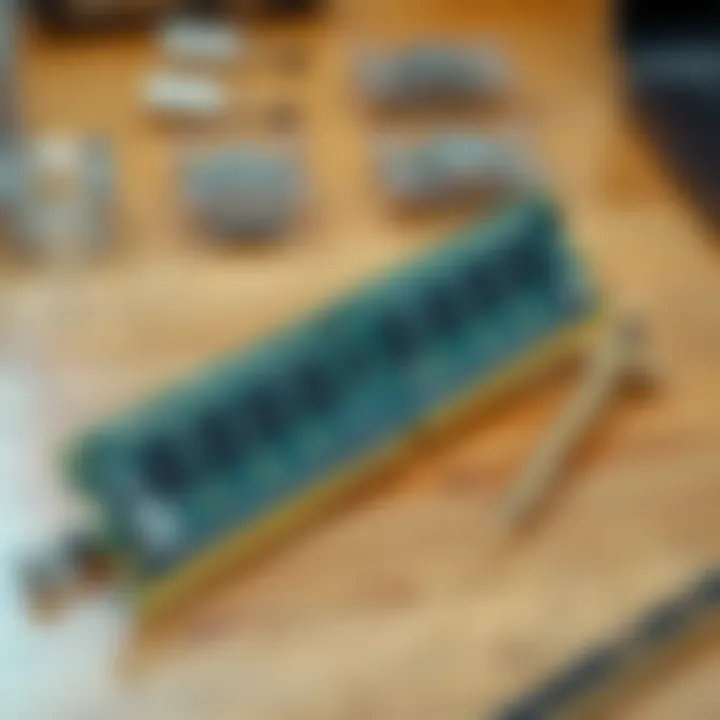
A user recently stumbled upon a dated RAM stick while cleaning out a closet. Found in their grandma’s collection, this hardware’s age dredges up nostalgia among tech enthusiasts, with people speculating about its compatibility and use in retro builds.
What’s the Buzz?
The RAM stick, manufactured in 2001, is causing a stir in online forums. Most agree it’s a 72-pin EDO SIMM, notable for its size, which makes it incompatible with both SO-DIMM and DIMM slots used in modern devices. It’s more suited for older machines like Pentiums or 486s.
Key Themes from User Reactions
Age of Technology: Users pointed out the improbability of 2001 being a time for such memory, especially when DDR1 was emerging.
Memory Specifications: "Veeery very old module is 16MB capacity," remarked one poster, indicating its limited use today.
Humor and Nostalgia: One user quipped, "Looks like a spicy stick of gaming magic," suggesting a whimsical connection to gaming culture despite its age.
Memorable Quotes
"72 Pin SIMM, likely EDO memory. Developed for the IBM PS/2 and found its way into PCs for a few years before being phased out."
"EDO RAM, for socket 7 motherboards early Pentiums of that era."
Sentiment Highlights
The comments reflect a mix of nostalgia and amusement as people reminisce about the early days of computing. While many are bemused by its discovery, a shared respect for computing history lingers.
Key Takeaways
◾ The module is confirmed as a 72-pin EDO SIMM.
◾ Late production in 2001 surprised many, as newer technologies had already emerged.
◾ Jokes about its performance capabilities highlight community humor regarding retro technology.
As the conversation continues, it raises an intriguing question: What other forgotten tech treasures lie hidden in homes?
What Lies Ahead for Old Tech Discoveries?
As the enthusiasm surrounding the antique RAM stick grows, there's a strong chance that more people will start rummaging through their attics or closets, unearthing similar tech relics. This could lead to forums buzzing with discussions, and possibly a rise in niche marketplaces focusing on retro components for gaming setups and vintage computers. Experts estimate around 30% of the community might engage in such nostalgic rediscoveries, as tech enthusiasts often yearn for hands-on experiences from the early computing days. With this potential surge of interest, we may even see a comeback of retro gaming events, highlighting how these forgotten pieces of hardware can enhance the gaming experience of new generations.
A Flicker of the Past in Vintage Finds
Reflecting on the discovery of the old RAM stick, one might draw a unique parallel to how people stumbled upon vinyl records in the early 2000s. As music enthusiasts turned to digital platforms, vinyl seemingly became obsolete. However, a surge of nostalgia led to a revival in vinyl sales, revealing a profound appreciation for analog sound. Just as those records once rotated in dusty corners, today’s tech might find new life in the hands of keen collectors or innovative builders, bridging the gap between old and new. The old RAM stick could be the kickoff point for a larger movement, connecting tech aficionados with the building blocks of computing history.