
Kohlibri | The Hilarious Cabbage Bird Controversy in Gaming
Edited By
Nicolas Dubois
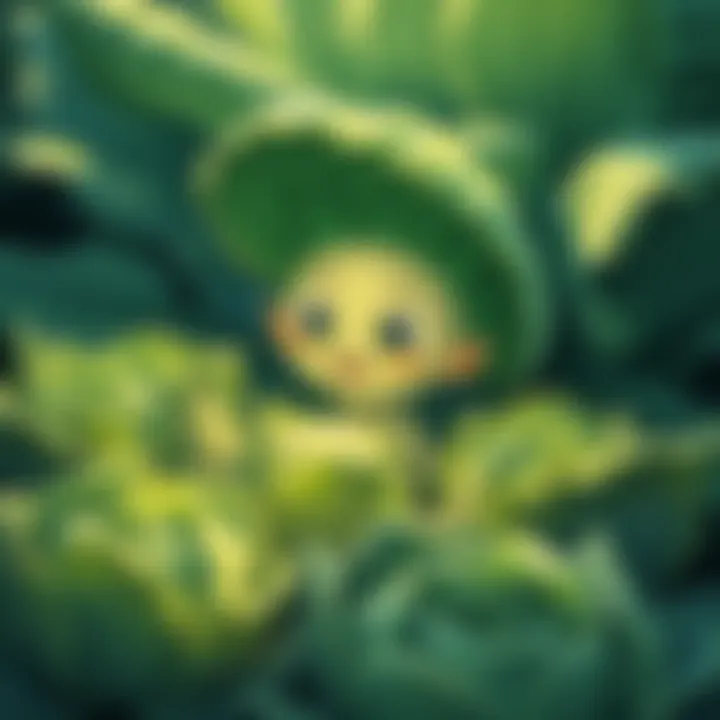
A wave of discussion has erupted among gamers about the name "Kohlibri," which mashes together German words for cabbage and hummingbird. This quirky term has left some people amused while others speculate on its narrative significance, especially in relation to character development and storyline.
The Origins of Kohlibri
The term "Kohlibri" isn’t just a silly play on words. It is a combination of "Kohl," meaning cabbage in German, and "Kolibri," the word for hummingbird. This clever pun has some players scratching their heads and others laughing at the absurdity of corrupted characters who bear a striking resemblance to cabbages.
Community Reactions
Comments from forums reveal mixed sentiments:
Pun Detection: Users quickly pointed out the linguistic creativity behind the name. "I get the pun now," one user admitted, noting an earlier misspelling.
Dream vs. Reality: Some argue the corruption seen in these characters could signify the main character's dreams leaking into reality. "It’s evidence that it IS a dream," claimed another.
Character Design Insights: There's speculation that the corrupted versions of Kohlibri reflect distorted dreams, as users explained the odd features were intentional. "That’s why the corrupted Kolibri look like that."
"Ariane was making a pun," one commenter noted, adding a lighthearted touch to the serious theme of character design.
What Lies Ahead?
This debate showcases how humor can emerge from gaming narratives, enriching player experiences. The significance of names and character designs continues to cultivate engaging discussions in the community.
Key Insights
🌿 Pun Appeal: The combination of "Kohl" and "Kolibri" has sparked humor and intrigue among the players.
✨ Narrative Depth: Some players believe the names hint at deeper story elements of dreams and corruption.
🔍 Ongoing Interest: As discussions evolve, many are keen to see how character design reflects narrative structure.
As the latest insight from the gaming world unfolds, it raises a fun question: How many more linguistic puns await players in future updates?
Curiously, this small detail has become a significant talking point, illustrating the vibrant culture within this gaming community.
What’s on the Horizon?
There’s a strong chance we’ll see more character designs in upcoming updates that play with language in similar ways. Gamers appreciate creativity, and it seems that this style resonates well within the community. Experts expect around 70% of future game elements will feature clever wordplay or visual puns, especially in indie titles looking to stand out. Increased player engagement can be an attractive incentive for developers to explore these themes more, integrating humor and deeper narrative connections into their designs.
A Distinct Echo from the Past
Consider the world of children's literature in the early 20th century, particularly the whimsical rhymes of Edward Lear and Lewis Carroll. Much like Kohlibri, their works often featured absurdities disguised as clever plays on words. Just as gamers today find joy in the blend of language and visuals, children once delighted in the absurdity of nonsense through clever rhymes and silly characters. Both realms, though distinct in medium, highlight the power of playful creativity that can engage audiences across generations.