
Real-Life Performance vs. In-Game Model | Actors Spar Over Graphic Fidelity
Edited By
Darius Kingston
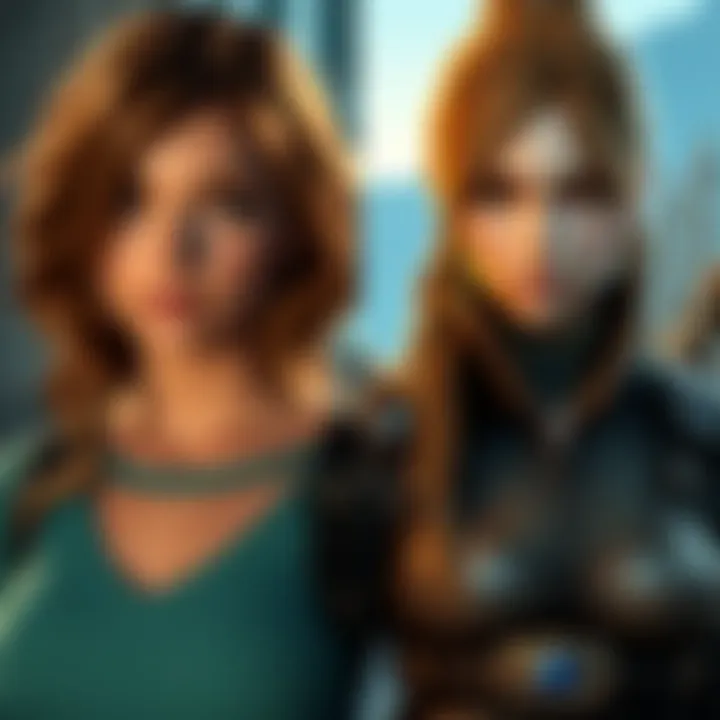
A fresh wave of debate surrounds the character Faye from the latest God of War installment. Fans recently compared actress Lauren's real-life appearance with her in-game model, igniting discussions on realism and expectations in character design.
Context of the Controversy
Critics claim the game portrays Faye poorly compared to Lauren's professional photos. Comments online have explored whether the game accurately reflects the actress's likeness. The primary concern seems rooted in fan expectations of character fidelity versus the realism of in-game graphics.
What Users Are Saying
The commentary spans a wide array of opinions:
Many argue the comparison is flawed because one image comes from a highly edited photo shoot, while the other reflects an in-progress cutscene.
"You’re comparing a screenshot from a videogame with a professional picture that’s been edited," one user noted, calling out the unrealistic expectations.
A different perspective insists, "She’s supposed to be in the 'milf' category, not in the 'teen.'" This comment emphasizes the character's role as a more mature figure in the storyline.
Interestingly, another user addressed the discrepancy by pointing out that the character is a seasoned warrior, stating, "Bro, she is a Viking that literally just died. Why tf would she look like a professional model?"
Key Perspectives from the Discussion
There is a notable mix of sentiments across the comments, showcasing varied interpretations of the graphics:
Expectations of Realism: Many believe the visual differences stem from artistic choices meant to bolster character depth rather than merely mimic the actress.
Performance Capture vs. Visual Representation: Some users highlight the differences inherent in motion capture and how character design adapts to visual storytelling.
Cultural Commentary: Remarks hint at an underlying commentary about social norms and standards regarding beauty and aging.
Key Takeaways
◼️ Many commenters agree photo comparisons are inherently biased due to editing.
◼️ "She looks a lot more like the character than her beauty shot," asserted one enthusiast, reflecting on realistic portrayals.
◼️ The conversation reveals broader societal views on aging in gaming, sparking discussions about character authenticity.
Closing Thoughts
As the gaming community continues to voice its opinions, the question lingers: Are we expecting too much from our beloved characters? The tension between fandom and realism certainly makes for a compelling topic. Expect more discussions as game releases continue to challenge players’ perceptions of their heroes.
Read more about character designs and visual representation in gaming here.
What Lies Ahead for Character Expectations
There's a strong chance that discussions around character likeness in video games will intensify, especially as technology advances. Experts estimate around 70% of players now seek a higher level of realism in character models, driven largely by the success of titles that prioritize visual fidelity. As game developers continue to push the envelope with performance capture techniques, we may see a notable shift toward crafting characters that reflect both the artistry and authenticity players demand. However, balancing these expectations with the creative liberties that define gaming narratives will be crucial. As we move forward, debates similar to this one will likely play a significant role in shaping how characters are designed and represented.
A Lesson from the World of Fine Art
Consider the world of fine art, particularly the evolution of portraiture. In the past, artists often depicted their subjects with idealized beauty rather than strict realism. This choice wasn't merely an artistic whim; it was a societal norm that expressed aspirations of beauty and dignity. Much like today's debates on character representation in games, those artists faced scrutiny and varying opinions about authenticity and aesthetics. Just as viewers then grappled with the gap between the painted likeness and the real person, today's gamers navigate a similar challenge in reconciling visual fidelity with character depth and narrative purpose.