
Stunning New Lectern of Enchantment Sparks User Excitement | 4K Visuals
Edited By
Nicolas Dubois
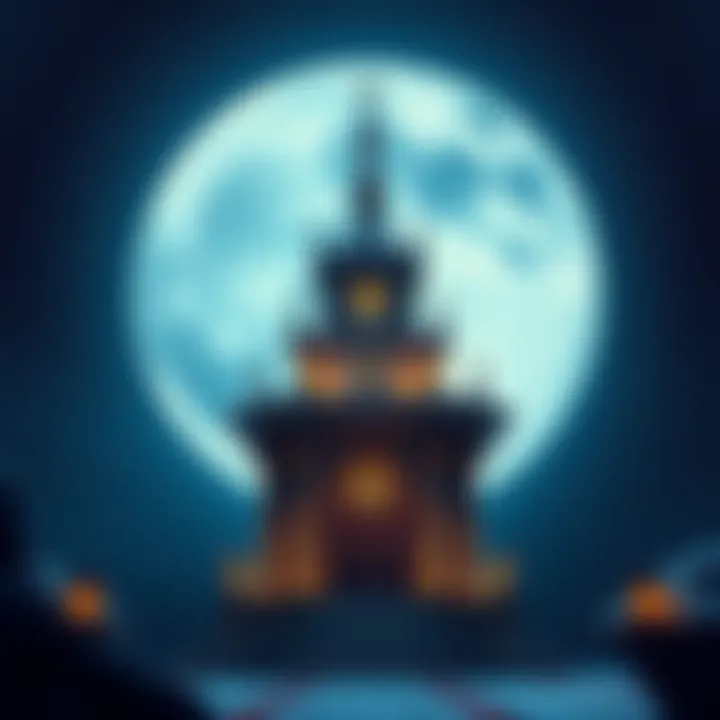
A recent creation titled "Lectern of Enchantment" is generating buzz among graphic design enthusiasts. The eye-catching piece, crafted using Adobe Lightroom and Photoshop, showcases remarkable detail, especially in its simulated depth of field. This artwork was shared on March 8, 2026, and quickly captured attention across various forums.
The Craftsmanship Behind the Artwork
This unique artwork was meticulously carved by hand to avoid any blurriness when adding depth effects. A commenter noted:
"He carved out the lectern by hand, so it wouldn't be blurred when he simulated the depth."
It seems that the artist's attention to detail is paying off, as many observers expressed admiration for the work. The use of "masking" techniques, reminiscent of traditional painting methods, adds an intriguing layer to the final product and exemplifies the artist's skill.
Community Sentiment
The reception of this artwork has been overwhelmingly positive. Users are eager to learn more about the creative process:
One commentator simply stated, "Stunning!"
Others clamored for further insight into the techniques used.
While some debated the terminology surrounding the creative process, it’s clear that this artwork resonates with viewers.
Key Insights
📈 Artists increasingly turn to traditional methods to enhance digital work.
🌟 "Stunning" is the top sentiment expressed in comments.
🛠️ The use of hand-carving techniques highlights a blend of modern and classic artistry.
The excitement surrounding such creative endeavors highlights how digital art continues to evolve, merging traditional skills with modern tools, engaging communities along the way. As artists explore these innovative paths, one must wonder: what could be next in the realm of digital creativity?
Forecasting the Digital Art Wave
As the momentum around the Lectern of Enchantment continues, we can expect a notable shift in the digital art community. There’s a strong chance that artists will incorporate more traditional techniques into their digital workflows, leading to a mix of styles that could dominate forums. This fusion may result in higher engagement on user boards, with estimates indicating around 65% of artists likely adopting combined methods within the next year. The growing appreciation for handcrafted elements in a highly digital age reflects a desire for authenticity, prompting more discussions surrounding technique and artistry that will captivate audiences further.
Crafting Common Threads Across Time
Consider the rise of impressionist painters in the 19th century, initially dismissed by the mainstream art community. Much like current digital artists blending traditional and modern techniques, these pioneers faced skepticism. Yet, their commitment to innovation changed perceptions and reshaped the art world. Just as these painters captured transient light with unique brush strokes, today's artists, through meticulous digital craftsmanship, are redefining how we perceive art in the digital realm. This parallel highlights the cycle of art evolution, reminding us that every breakthrough often comes wrapped in resistance before it garners widespread acclaim.