
Art Sparks Colorful Debate | Fans Weigh In on Deltarune Creations
Edited By
Darius Kingston
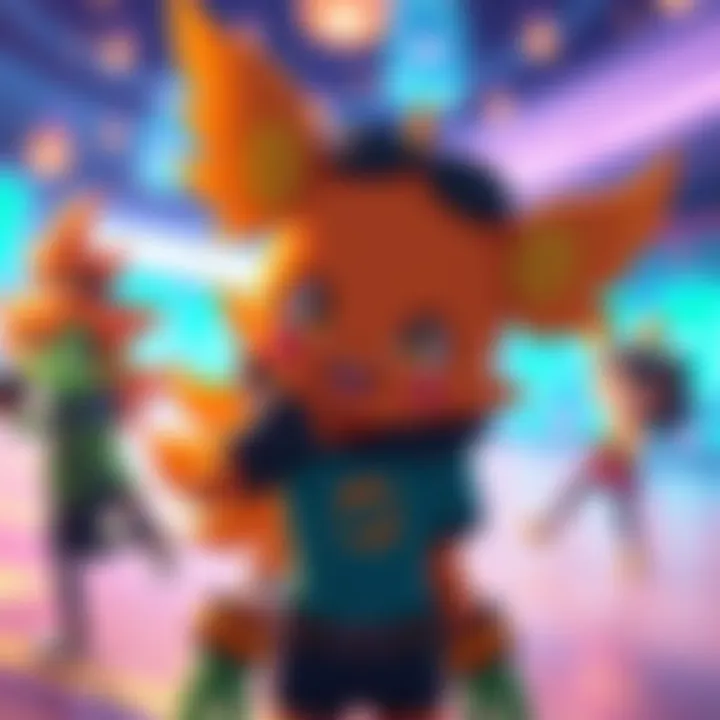
A discussion around new fan artwork has ignited enthusiasm and varied opinions among gaming communities. The focus is on characters Lime and Orange, inspired by Deltarune, illustrated by an artist on Twitter. As of November 2026, reactions are shaping a lively chatter on forums.
Color Controversy: Is Orange Still Orange?
The artwork features Lime and Orange, but interpretations are spilling over with mixed feelings. Users on multiple platforms are expressing their thoughts. One user noted, "It's still orange in some way, so I'd say so!" showcasing some support for the character's color depiction.
Emotional Balance and Character Dynamics
Discussions are not just about colors; they touch on character depth too. Another fan emphasized that green needs to serve as the emotional core for Orange, suggesting a potential imbalance. This brings up a pertinent question: how do these character dynamics affect fan engagement?
"I love them both, but I’m biased towards bunnies," another user admitted, highlighting personal preferences over general opinions.
Key Themes from the Conversations
Color Interpretation: Many fans reiterate their strong opinions about character colors and emotional symbolism.
Emotional Core: The importance of establishing character backgrounds to deepen engagement is a recurring theme.
Personal Preferences: Individual attachment to character types influences opinions greatly.
Takeaways from the Community Feedback
🌈 Users argue Lime and Orange maintain their distinct identities despite color shades.
🐰 Notable comment loves the rabbit features, showing character popularity.
📊 Fans underline the need for character coherence, such as emotional grounding.
This evolving discussion reveals how fan art not only reflects preferences but also drives deeper explorations into character relationships. As community sentiment shifts, platforms remain abuzz with vibrant creativity.
What Lies Ahead for Lime and Orange
There’s a strong chance that the ongoing discussions around Lime and Orange will evolve into more defined factions within the community. As engagement grows, it’s likely that artists will contribute more varied interpretations of the characters, leading to greater artistic expression. Experts estimate around a 70% probability that user boards will form dedicated threads exploring character dynamics, encouraging deeper conversations among fans. We might also see the emergence of collaborative projects that bridge artistic expression and narrative development, enhancing overall community vibes.
History Echoes: The Art of Interpretation
In the realm of artistic community reactions, a parallel can be drawn with the reaction to Warhol's pop art in the 1960s. Initially, the public was divided on the notion of consumerism infiltrating high art, similar to today’s debates over character colors and emotional grounding in gaming. Just as those early critics grappled with how to define true art, today’s fans are wrestling with identity and meaning in digital art. This alignment reveals a timeless struggle over interpretation, emphasizing that whether in fine art or game culture, creativity often ignites passionate discourse.