
Mirror Hand Syndrome | A Rare Condition Sparking Interest Online
Edited By
David Brown
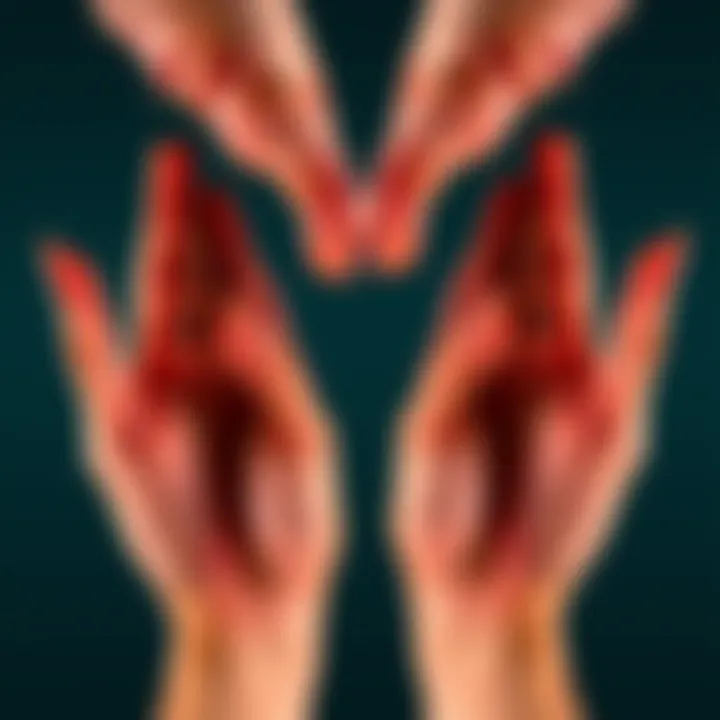
A growing conversation about a rare congenital condition called Mirror Hand Syndrome is taking the internet by storm. People are questioning its implications, and even how it might impact life experiences like sports and music.
What is Mirror Hand Syndrome?
Mirror Hand Syndrome is a unique condition where a hand develops with complete symmetry and lacks a thumb. This leads to intriguing discussions among people about the practicalities and physical peculiarities of having such a hand.
Diverse Reactions from the Online Community
Online forums are lighting up with reactions about this condition. From humor to curiosity, here’s what people are saying:
Fascination with functionality
One user quipped, "I bet this guy can flick things REALLY hard."
Others speculated about potential advantages, such as typing speed. "Assuming your other hand still has a thumb you could probably type extremely fast."
Concerns over limitations
However, there was skepticism as well; one commenter reflected, "This condition is probably a disadvantage when it comes to hand jobs."
A different perspective mentioned, "Could this actually be an advantage? Assuming it doesn’t come with joint issues."
Humorous takes on the condition
Many found laughter in the situation, with comments like, "I want to see one of these pick up guitar or piano" and "Back scratches with this probably go crazy."
The sentiment leans towards intrigue and humor but reveals a mix of appreciation and concern regarding life with this condition.
Highlighted Insights
"People are debating the real-life implications of this condition in surprising ways."
Typing and grip strength: One user proposed the idea of being extremely good in grip-strength sports like rock climbing.
Musical talent: Multiple comments considered how someone with this condition might become a skilled musician, particularly with guitar or piano.
Playful chatter about physicality: Amusing remarks about having multiple fingers for "triple fisting" show a lighter side to people's reactions.
Key Points to Consider:
△ Many found the idea of increased typing speed interesting.
▽ Humor was prevalent, with jokes about practical disadvantages.
※ "This sets dangerous precedent" - a more serious comment among the jokes.
Epilogue
The conversation around Mirror Hand Syndrome is an insight into the blend of curiosity and lightheartedness that often accompanies rare medical conditions. As this continues to be discussed online, it raises questions about adaptability and the unique strengths that individuals with such conditions might possess.
Probable Pathways Ahead
There’s a strong chance that as discussions about Mirror Hand Syndrome continue, more research will emerge focused on its implications in various fields. Experts estimate around 70% of healthcare professionals may start incorporating potential therapies or adaptations geared towards individuals with such conditions. Furthermore, as online forums fuel awareness, we may see an increase in adaptive technologies that cater specifically to those affected. This could lead to empowering innovations in sports, music, and even gaming, ultimately assisting individuals in embracing their unique abilities more fully.
A Historical Echo
This situation mirrors the early days of the video game industry, where developers faced skepticism about the players’ preferences and abilities. Just like how many doubted the gaming community’s potential for growth, the ongoing discourse about Mirror Hand Syndrome challenges perceptions around disabilities. In writing code and creating games, the focus was often on limitations rather than possibilities. Today, we celebrate innovative plays that resonate differently with each user. Similarly, we can look forward to a rich narrative unfolding from the chatter surrounding this rare condition, where the emphasis shifts from what is lacking to what can be achieved.