
Do People Still Dislike the Oni/Demon Skin? | Support Main Shares Thoughts
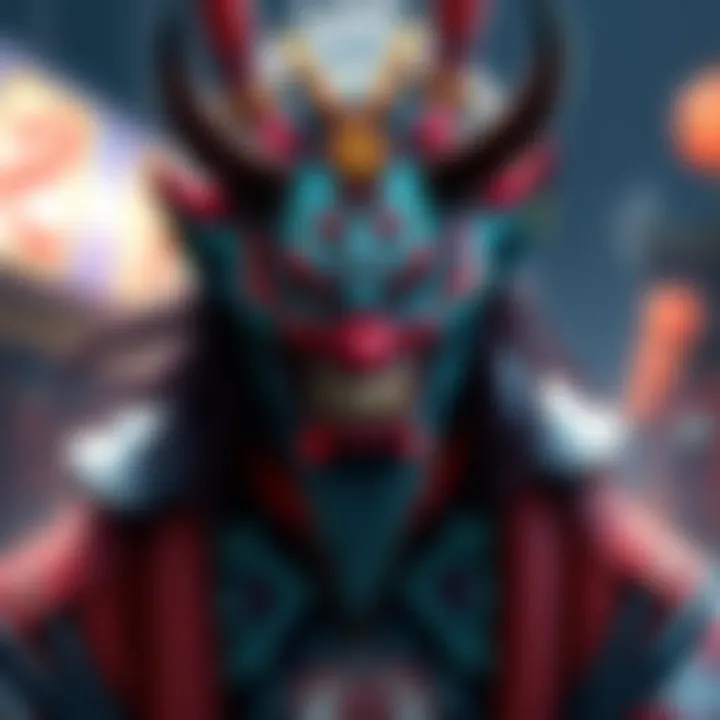
A recent conversation on user boards reveals mixed feelings about the beloved—and sometimes hated—Oni/Demon skin for Kiriko in the gaming community. Players reflect on their experiences with the skin since its release, reigniting debate as some share newfound appreciation while others stick to their critical views.
Context of the Discussion
The player, after dedicating nearly 1,000 hours to DPS roles, switched to support and began using the Oni skin. They expressed that this skin, featuring a unique design with a talisman and kunais, stands out among Kiriko's other options. Interestingly, they noted that the skin faced heavy criticism upon its first release, sparking curiosity about contemporary opinions.
Main Themes from the Comments
Reviews of the Oni skin show a divide among players.
Positive Sentiments
"Literally my fav skin. I think it's sick af," said one player, highlighting the mask and design.
Another user declared excitement over the tattoos and unique aesthetic, emphasizing it's not as cutesy as other skins.
Neutral Opinions
Some players express ambivalence: "It isn’t awful, but really isn’t good," pointing out its design quirks and helmets.
Others appreciate certain aspects while noting, "There’s a lot of things I don’t like about it."
Negative Reactions
Criticism surfaces about the mask, with one player saying, "The mask looks like the mouth guard of a dog suit."
Another packed their sentiments simply, stating, "Not a fan of the horns and half mask."
"People seem to hate Hinotori more, but it’s my favorite Kiri skin," reflects another player, showcasing the diverse preferences in skins overall.
Sentiment Patterns
The comments portray a mixed sentiment toward the skin, with a blend of enthusiasm and criticism. While many defenders emerged, a notable number still expressed dissatisfaction with the skin's design.
Key Takeaways
🌟 Majority enjoy the Oni skin’s aesthetics, particularly the unique design.
❓ Many were surprised at how the skin is now appreciated compared to its initial release.
🔥 Displeasure continues regarding specific elements, especially the mask and accompanying features.
This discussion reflects ongoing conversations about character skins in gaming, highlighting ever-shifting tastes within the community. Whether loved or loathed, the Oni skin seems to spark passion and debate among players, proving that character cosmetics remain a hot topic several years since their debut.
Looking to the Future of Skins
As conversations around the Oni skin continue, there’s a strong chance that developers will respond to this renewed interest by introducing more unique character designs, possibly exploring themes that diverge from traditional aesthetics. Experts estimate around 60% of game studios may prioritize community feedback in upcoming updates, leading to a shift towards bolder, more innovative skins. This shift can be fueled by the positive reception of some skins reflecting deeper connections with player identities, making it likely that future updates will consider both visual appeal and gameplay dynamics.
A Less Obvious Reflection from History
Just as video games evolve their aesthetics based on player preferences, think about fashion trends from the early 2000s, where denim's resurgence seemed improbable. Just as manufacturers started crafting jeans with varying styles and fits, appealing to all tastes, gaming companies might similarly opt for diverse designs, encouraging a wider range of player expression. This reflection offers a reminder that creativity often thrives at the intersection of nostalgia and innovation, suggesting that today's gaming landscape might mirror those style evolutions of the past.