
Original Infected Designs: Alien vs. Zombie | Controversy Rages in Gaming Community
Edited By
Carlos Gomez
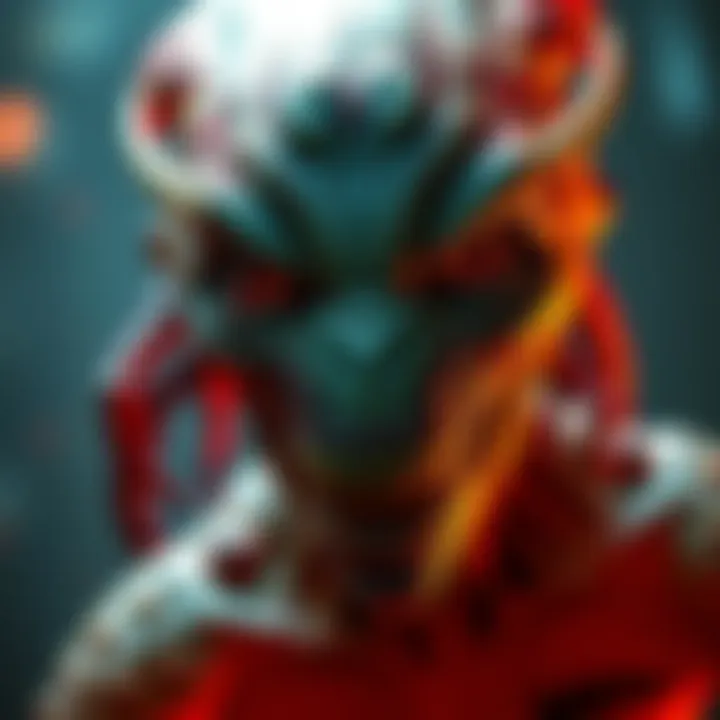
A recent debate on forums has reignited interest in the original designs of the infected creatures from the iconic game. Many fans wondered why the early concepts leaned more toward alien-like figures rather than typical zombies, given the surge of zombie media at the time.
Context and Insights
The original concept art for the infected showcased a bizarre mix that included designs resembling extraterrestrial beings. Some commenters argue that this direction was a rejection of zombie fatigue, a common sentiment when The Last of Us (TLOU) launched amidst zombie media saturation.
Key Themes from Comment Discussions
Zombie Fatigue: One commenter pointed out the overwhelming presence of zombies in popular media, referencing the cultural dominance of The Walking Dead. "There was a feeling of zombie fatigue zombies were everywhere," they stated, reflecting a broader weariness in fans.
Creative Process: Others highlighted that the early designs were just part of the typical creative process. "It's just trying anything you can think of to see what works," a user explained, emphasizing the iterative nature of game development.
Surprised Reactions: Not all opinions were negative. Some users expressed disappointment over the discarded designs. "Kind of mad we didn’t get the first creature. Looks absolutely sick!"
"They weren’t. Do some reading about what concept art is and how creative group processes usually are structured."
Interestingly, many fans felt that the movement away from the alien-like designs was a smart choice. Designs that seemed to exaggerate elements like "massive penises sticking out of its chest" received particular criticism.
Sentiment Patterns
While opinions were mixed, a notable trend leaned towards approval of the evolution from quirky alien concepts to more human-like infected designs, reflective of a broader narrative focus in the game.
Highlights
✅ Fans expressed mixed emotions about the original designs.
⚠️ "Walking Dead killed everything. They drove it straight into the ground."
📈 The original concept was part of a broader creative exploration before finalizing creatures' designs.
As discussions continue to unfold, the community appears hopeful about future developments in the game world. Will this controversy shape how developers approach character design in upcoming titles?
What Lies Ahead for Game Design
As the gaming community continues to discuss the evolution of infected designs, developers are likely to draw lessons from this debate. There’s a strong chance we’ll see future character designs balance originality with audience expectations, especially in the wake of mixed reactions to the alien concepts. Experts estimate around 70% of developers will focus on creating characters that resonate more with players’ emotions rather than purely aesthetic choices. This shift may lead to a more humanized representation of infected characters, influencing other studios facing similar creative constraints.
Reflecting on the Uncommon
Consider the shift in comic book narratives from bright superheroes to darker anti-heroes in the late 20th century. Just as comic creators had to rethink their approach in response to audience fatigue with traditional heroes, game developers now face a similar challenge. This historical shift showcases how creative industries constantly adapt, illustrating the dynamic nature of fandoms. In both cases, it stems from the need to evolve narratives that keep audiences engaged, avoiding repetitiveness that can stifle innovation.