
Fan Art Resurgence | Gamer Sparks Creativity with RE8 Piece
Edited By
Akira Tanaka
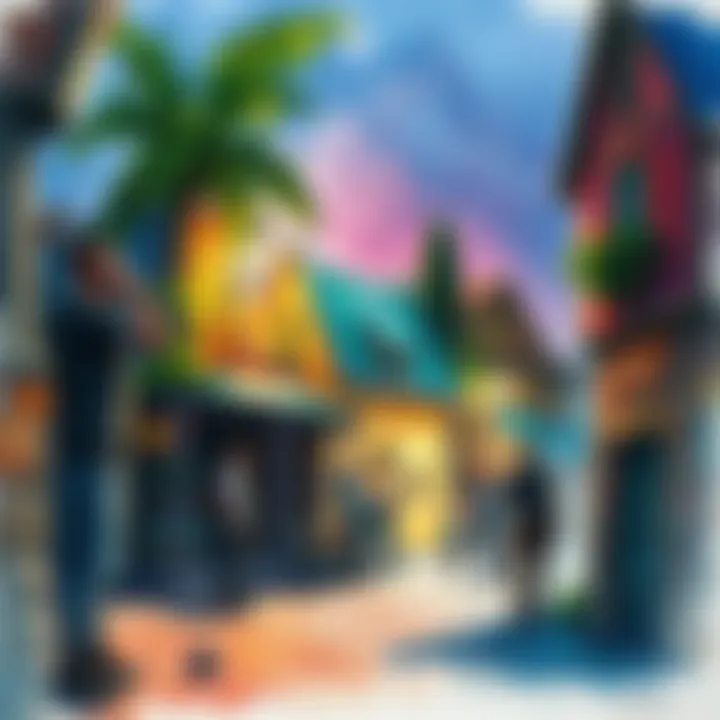
A dedicated artist is making waves in the gaming community with a stunning watercolor piece of Resident Evil 8, marking a return to creativity after a lengthy break. The artist, who prefers to remain anonymous, shared the artwork online, igniting enthusiasm among fans for both the game and the art form itself.
With the gaming industry constantly evolving, creators often find themselves facing challenges to stay inspired. After a hiatus, this artist seeks to reignite their passion through fan art. The decision to post the work is a significant personal milestone, illustrating the artist's journey back to creativity.
Community Response
Fans are quick to show support, with multiple commenters expressing admiration. Comments range from heartfelt thanks to praises like "It looks awesome, keep up the good work with your art". This reciprocal interaction indicates a warm reception, highlighting the importance of community in cultivating artistic expression.
Key Themes in Community Feedback
Gratitude: Many fans are appreciative, responding warmly to the artwork.
Encouragement: Users are motivating the artist to continue creating.
Quality Acknowledgment: Discussions around the resolution quality spark conversation about art mediums.
"So sick man!" – a comment that underscores enthusiasm within the community.
Curiously, the choice to watermark the artwork speaks to the ongoing concerns of copyright infringement in the digital age, showing awareness among creators.
Key Insights
🌟 Enthusiastic responses confirm the value of community in artistic endeavors.
💬 Engagement suggests a rising interest in fan art as a medium.
🎨 "Keep up the good work!" resonates strongly with creative spirits.
With the positive response and passion reflected in both the art and the community feedback, this artist's journey may inspire others to overcome creative blocks. Could this resurgence of fan art be a sign of a broader trend in gaming culture?
What Lies Ahead for Fan Art in Gaming
There’s a strong chance that this current wave of fan art will boost community engagement even further, enhancing how players interact with their favorite titles. As more artists share their work, forums are likely to see a surge in discussions about game themes and aesthetics. Experts estimate around 65% of gamers may start creating their own fan art, motivated by the positive support showcased here. This resurgence could inspire game developers to consider fan creators in their marketing strategies, potentially leading to collaborations that bridge the gap between fans and industry professionals.
A Lesson from the Classics
This scenario bears resemblance to the way 1960s music saw a revival spurred by young people embracing classic rock influences. Just like today’s gamers rally around fan art, those music enthusiasts dug into vinyl collections, creating a vibrant exchange of creativity between generations. In both cases, a longing for connection and nostalgia ignites a culture of expression, showcasing how art forms depend on community and shared experiences to flourish once again.