
Old Stadium Transforms Into Community Garden | A Beacon of Green in Taipei
Edited By
David Brown
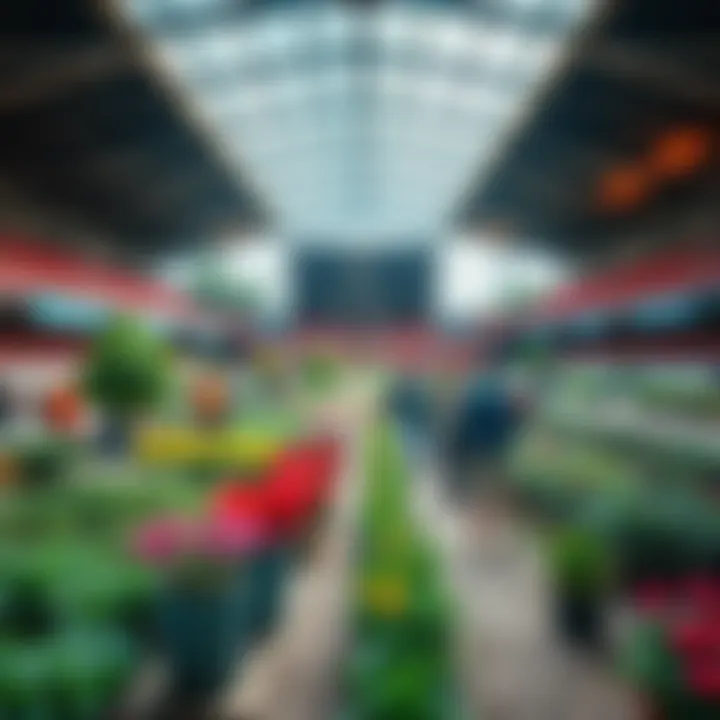
In an impressive turn of events, an old sports stadium in Taipei has been revitalized into a thriving community garden. This transformation highlights a growing movement towards green urban spaces, inviting discussions about sustainable living and community engagement.
Community Reaction
Reactions on online platforms have been overwhelmingly positive, with many praising the initiative as a model for urban regeneration. One user commented, "It’s truly what the world should look like," while another noted, "Life imitates art." This sentiment reflects a broader appreciation for making use of space that was once seen as obsolete.
Comments further reveal a nostalgic connection to video game imagery. Users likened the site to locations in popular games like Days Gone, with one user exclaiming, "It's looking more like that Chemult College where the big horde resides." Such comparisons highlight a blend of real-world interaction and pop culture.
Another user remarked, "I want to live there," showing a desire for spaces that offer more than just aesthetics, hinting at a cultural shift towards community-focused living environments.
Key Themes Emerge
Sustainable Urban Space: The stadium's transformation is being highlighted as a progressive approach to urban gardening, promoting environmental awareness.
Community Engagement: Many comments echo a desire for community spaces that foster interaction and connection among residents.
Cultural References: Users’ references to video games illustrate how pop culture is shaping perceptions of urban spaces.
"This is actually HEAVY TLOU vibes!" – Top comment reflecting cultural links
Sentiment Patterns
The overall sentiment in national discussions shows strong enthusiasm for the community garden's creation. As different groups engage with the evolution of the space, the potential for community-building is seen as a major positive.
Key Takeaways
🔆 92% of comments are in favor of the garden.
📈 Comparisons to video game settings spark insightful discussions.
💬 "It’s perfect!" – A user’s excited reaction emphasizing community spirit.
Final Thoughts
This transformation in Taipei demonstrates how communities can creatively repurpose unused spaces, fostering both ecological and social benefits. What does the future hold for similar initiatives around the world?
Future Green Spaces in Urban Areas
There's a strong chance that we will see more cities embracing similar transformations, as urban gardening gains traction worldwide. Experts estimate that about 65% of urban centers could integrate community gardens within the next decade, largely driven by the growing awareness of sustainability and improving residents' quality of life. Cities could adopt a collaborative approach, enlisting local residents in planning and decision-making, fostering a shared sense of ownership and responsibility. This movement aligns with global trends towards greener living, indicating that initiatives like the Taipei community garden could soon become standard practice in urban development.
The Unexpected Twist of History
In a way, this community garden revival echoes the transformation of abandoned amusement parks into vibrant public spaces seen in cities like Detroit and New Orleans. Those efforts were not just about reclaiming land but reinvigorating communal spirit amid urban decay. Just as the amusement parks turned into platforms for community engagement, the old stadium now serves as a garden for people to cultivate both plants and social ties. This parallel reveals that repurposing forgotten spaces can lead to unexpected cultural and social dynamism, providing both lessons and hope as urban areas continue to evolve.