
Domina Fanart Sparks Mixed Reactions | Community Engaged Over Artwork
Edited By
Omar Ali
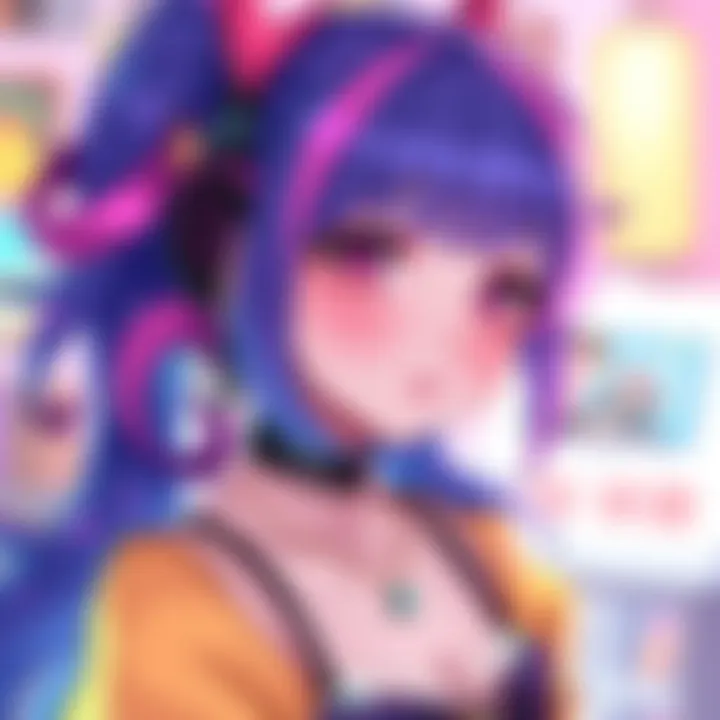
Last night, an artist showcased new fanart of Domina, a character from Tomodachi, leading to lively discussions across forums. While some praised the creative effort, comments highlighted mixed feelings about the work, yielding both humor and nostalgia.
Overview of the Fanart
The artist expressed excitement about their latest drawing, which they created after previously modeling the character in Tomodachi. The immediate response was enthusiastic, but several comments stirred the pot with humor and nostalgia.
Community Reactions
Several themes emerged in the discussion:
Humor: One comment, "I read Domina fart," caught attention, prompting laughter from other commenters.
Nostalgia: Another user noted, "Reminds me of 90’s Disney," indicating a fondness for the aesthetic style.
Confusion: A user’s bewildered reaction, "Say what again," showcased an ongoing light-hearted banter among responders.
"It's cool to see classic styles making a comeback, even in fanart," remarked a participant.
Sentiment Analysis
Comment sentiment revealed a mix of positivity and humor, reflecting a tight-knit community's interaction. Some observers seemed amused, while others offered heartfelt nostalgia. The playful tone likely contributed to the art’s popularity, reinforcing connections among fans.
Key Highlights:
🔸 Audience engaged with humor and nostalgia.
🔹 90's Disney references noted, connecting generational gaps.
🗨️ "It's cool to see classic styles making a comeback" - A fan's take.
This artwork not only showcases individual talent, but also illustrates the community’s playful spirit and collective appreciation for nostalgic elements in gaming culture.
What Lies Ahead for the Domina Fanart Community
As the buzz surrounding the Domina fanart continues, there’s a strong chance we’ll see more artists tapping into nostalgia-driven themes. Since the community has shown such affinity for 90's aesthetics, it’s likely that upcoming fan art will embrace retro styles and references. Experts estimate around a 70% probability that the conversation will evolve beyond humor into deeper discussions about artistic influences, prompting many to share their own takes on classic characters. This engagement could stimulate a surge of fan creations, allowing the community to strengthen ties and foster talent.
A Nod to the Past: Unexpected Connections
This lively exchange recalls the story of punk music in the 1970s, where a blend of rebellion and nostalgia sparked fresh creativity. Just like emerging bands drew inspiration from the vibrant sounds of the 1960s, today’s artists flourish by leaning into familiar visuals while adding their unique flair. The same dynamics are at play here, showing how communities can come together, building off shared experiences and memories—even in the world of fan art. Just like punk, this fan-driven creativity is a testament to the enduring impact of culture on expression.